
Nexans
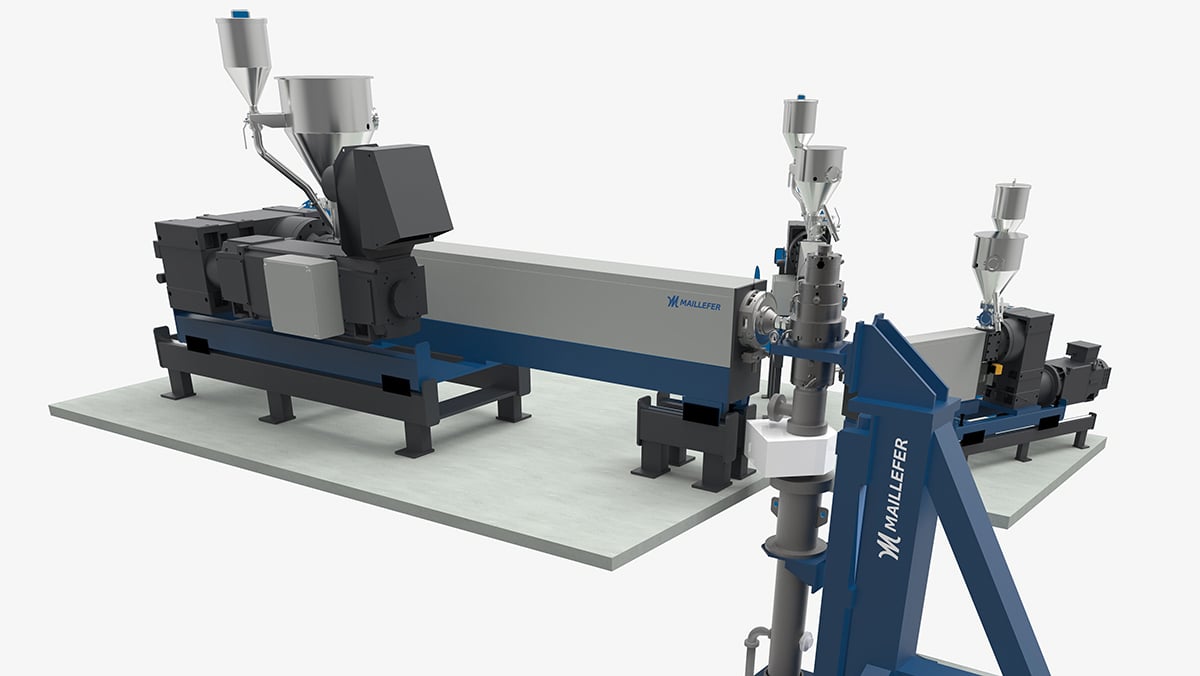
Take the Leap Towards Record Performance on VCV Lines
With an MRC technology, available new or as an upgrade to your existing VCV line, your production is ready to face the future challenges. Take the leap towards better productivity and increased cable roundness with less insulation material consumption.
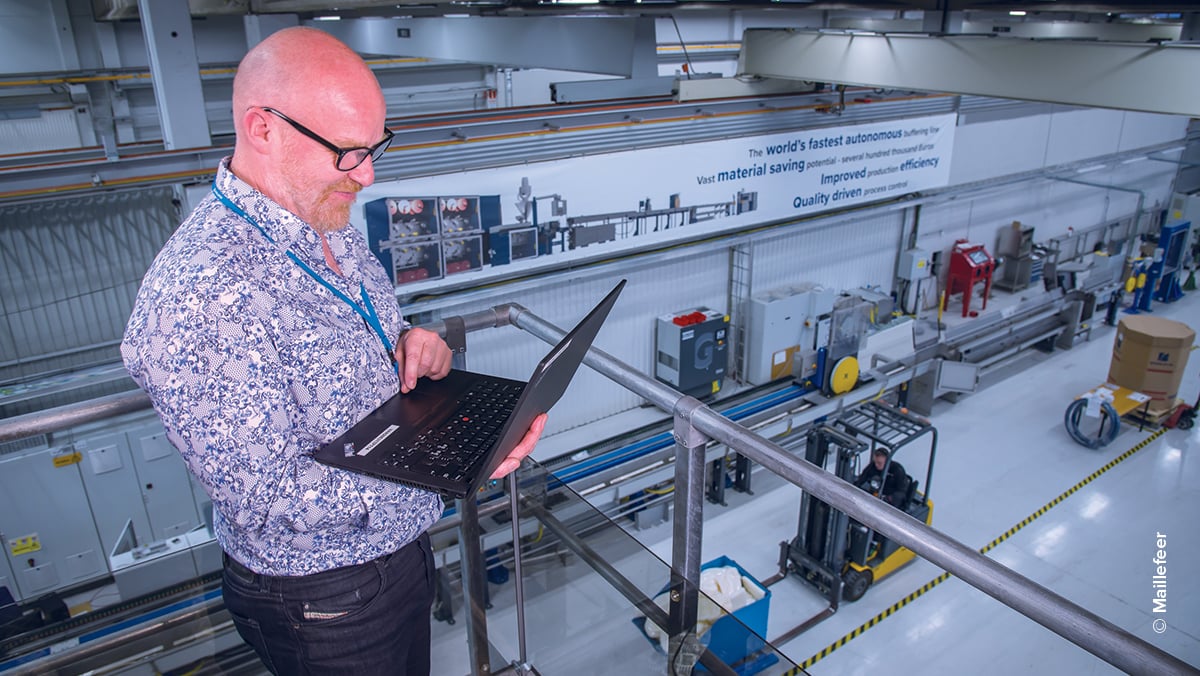
Autonomous CV Lines on the Horizon
Imagine a CV line automatically gearing itself for production of high-voltage and extra high-voltage cables only by selecting the desired product.
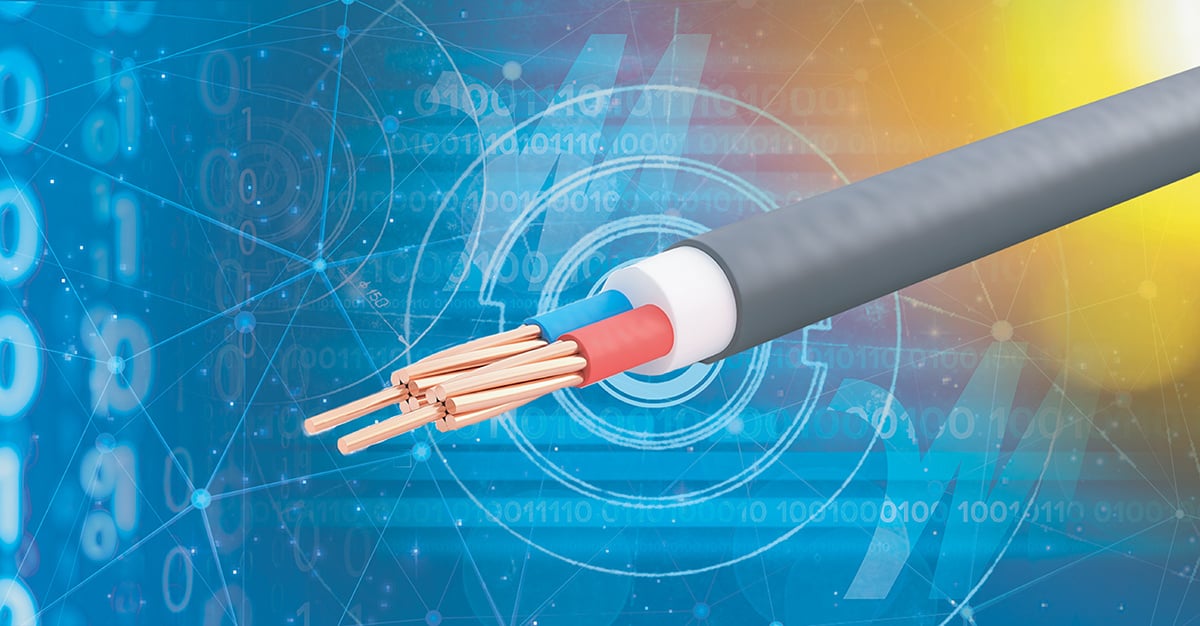
Sustainable Factors for Efficient Cable Production
Sustainability becomes a fundamental part of an investment strategy that brings benefits. The efforts made are also proving beneficial in terms of lowered production costs for customers. Indeed, an extrusion process involves various factors to minimize environmental impact and resource consumption.
Wish to Improve Your High Voltage Cable Production?
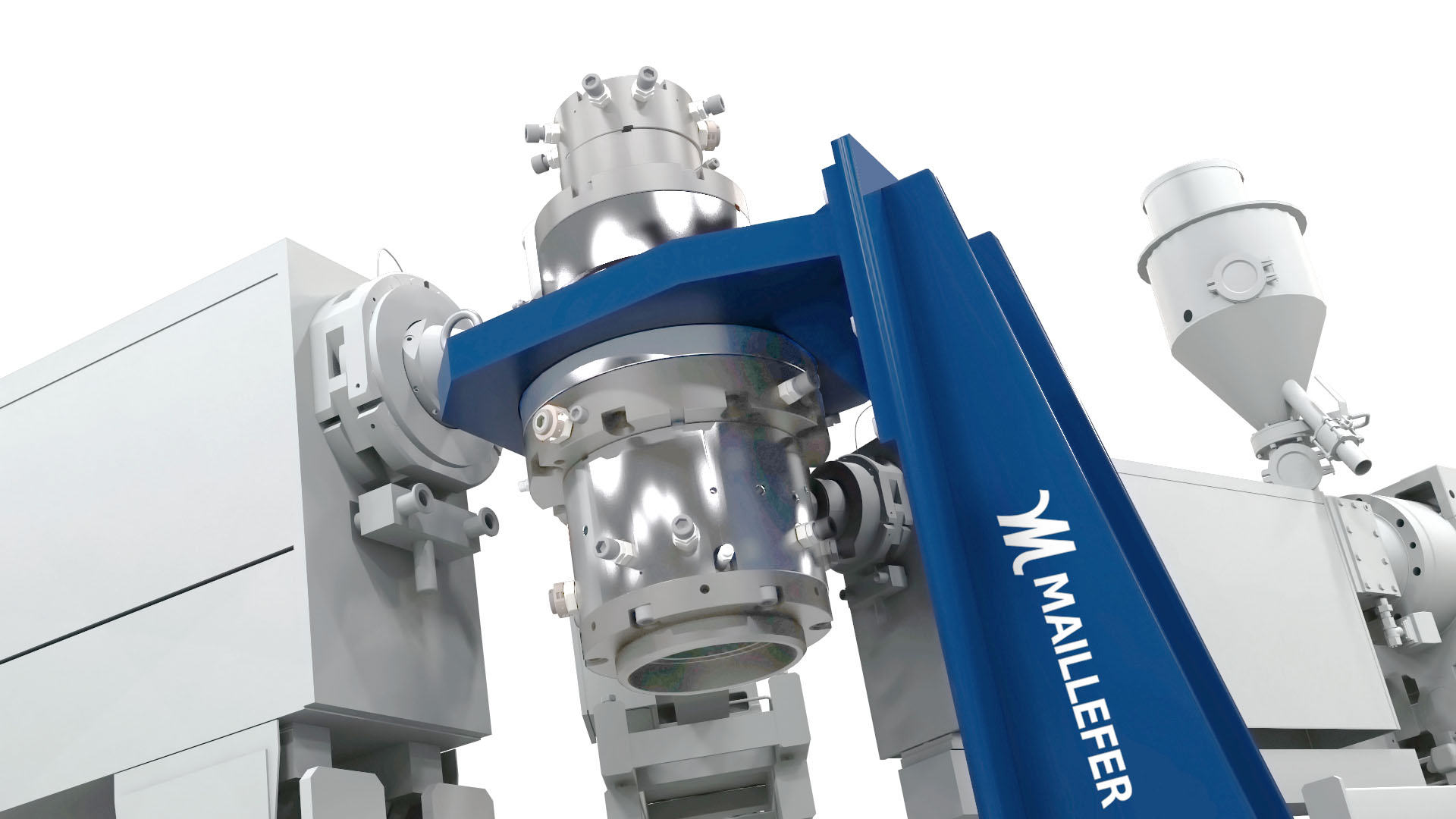
Our triple crosshead THX 70/150LR has been developed to enable longer production runs by improved material flow and temperature control.
LV Cable Extrusion Value
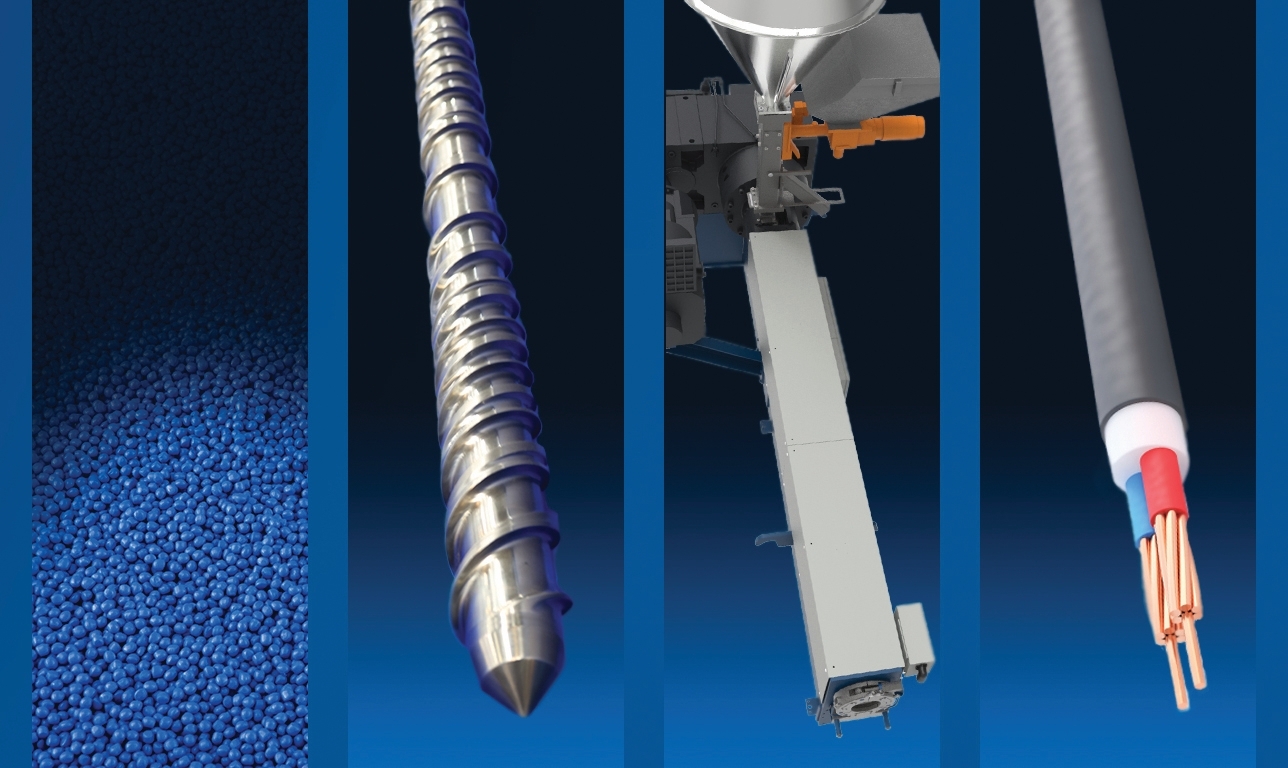
There are several value drivers that concern the solutions we provide. In the area of extrusion, we cite the capacity and quality of the final product. Equally important is reduced production costs.